


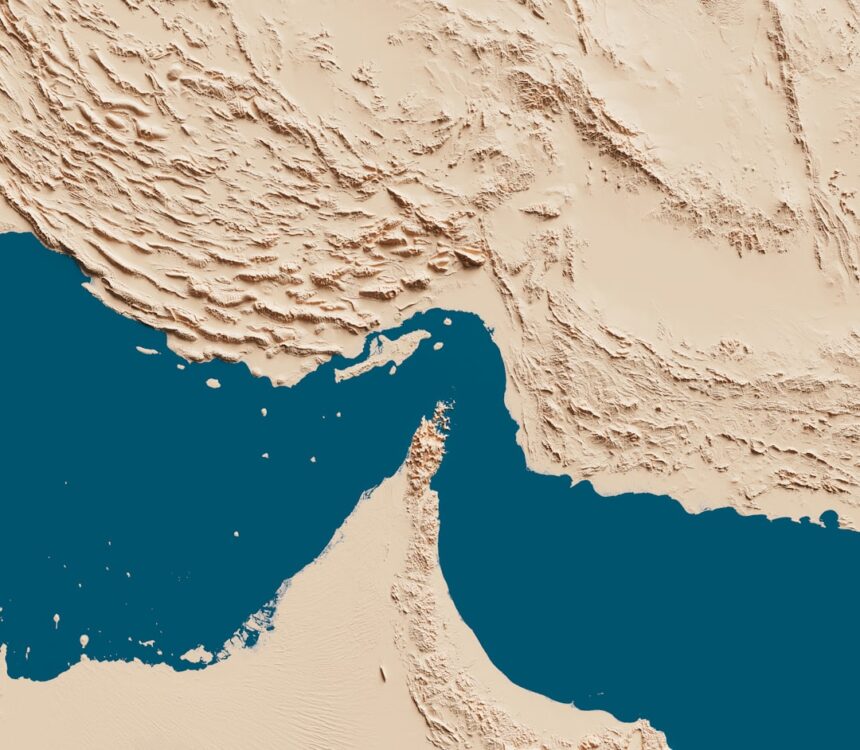
On May 5, 2026, President Donald Trump announced a temporary pause in “Project Freedom,” a military operation assisting commercial ships in the Strait of Hormuz. This decision comes as U.S.-Iran tensions ease, with Trump citing “Great Progress” towards a potential agreement. This strategic shift has significant implications for global energy markets and digital marketing professionals who must adapt quickly to changing consumer sentiment and search demand.
- SEO teams should prepare for rapid changes in search demand related to oil prices and geopolitical events.
- Paid media strategies may need to adjust to fluctuating consumer sentiment and increased CPCs.
- Marketers must develop responsive content strategies to capture short-lived spikes in search interest.
Context/Background
On May 5, 2026, President Trump announced a pause in “Project Freedom,” a military mission aimed at protecting commercial shipping in the Strait of Hormuz. This decision followed a brief military engagement and is seen as a de-escalation step in U.S.-Iran relations. The operation, which began on May 4, lasted just one day, assisting only two vessels through the critical chokepoint. The pause is part of ongoing negotiations with Iran, as Trump indicated potential progress towards a comprehensive agreement. This development could impact oil prices, shipping costs, and global risk sentiment, making it crucial for marketers to stay informed and responsive.
How to Adapt Your SEO and Marketing Strategy
Step 1: Monitor Search Trends
Use tools like Google Trends and SEMrush to track search queries related to oil prices, the Strait of Hormuz, and geopolitical tensions. For instance, after the announcement, search interest in terms like “oil prices today” spiked, indicating a surge in consumer attention. Quickly updating content to target these keywords can help capture increased traffic. Align your content with current news events for better visibility.
Step 2: Adjust Paid Media Budgets
Evaluate your paid media strategies across affected verticals like travel, retail, and finance. With potential volatility in energy prices, CPCs may increase, and conversion rates could fluctuate. Reforecast budgets to prioritize efficiency and consider scenario planning for stable, moderate, or heightened energy prices. Utilize insights from market analysis videos to inform your adjustments.
Step 3: Develop Responsive Content
Create a content cluster addressing the implications of the pause on oil prices and consumer spending. This includes explainers on the Strait of Hormuz, shipping disruptions, and potential impacts on travel and inflation. Adding expert insights can enhance credibility and relevance, driving organic search traffic.
Step 4: Update Messaging
Ensure your advertising and content messaging reflect current consumer anxieties about energy prices and economic uncertainty. Emphasize cost savings, reliability, and budget-friendly options in your campaigns. This approach can resonate with a cautious audience, enhancing engagement and conversion during uncertain times. Reference market sentiment videos for tone alignment.
Advanced Perspective
The pause in “Project Freedom” is more than a temporary geopolitical shift; it’s a pivotal moment for digital marketers. As search demand fluctuates, agile SEO and content strategies become paramount. Nuanced understanding of consumer behavior changes due to fuel and shipping costs can provide a competitive edge. Most practitioners overlook the importance of aligning content with real-time events and consumer sentiment shifts. Leveraging tools for sentiment analysis and monitoring economic indicators can provide deeper insights. Experts suggest this approach not only captures immediate search intent but also builds long-term authority in evolving topics, a critical move in today’s fast-paced digital landscape.
Common Mistakes
First, many marketers fail to adjust their budgets in response to fluctuating CPCs, leading to ineffective ad spend. Instead, regularly re-evaluate spending based on current energy market conditions. Second, some teams overlook the need for quick content updates, missing opportunities to capture search demand spikes. Implement a rapid-response content strategy to stay relevant. Third, ignoring consumer sentiment can result in tone-deaf messaging. Align your communications to emphasize stability and value in uncertain times, using real-time data to guide your strategy.
Marketers should pivot quickly to adapt their strategies to the evolving geopolitical landscape. For more insights on how to adjust your digital marketing tactics, consider exploring opportunities to write for AI SEO Gazette and share your expertise.