


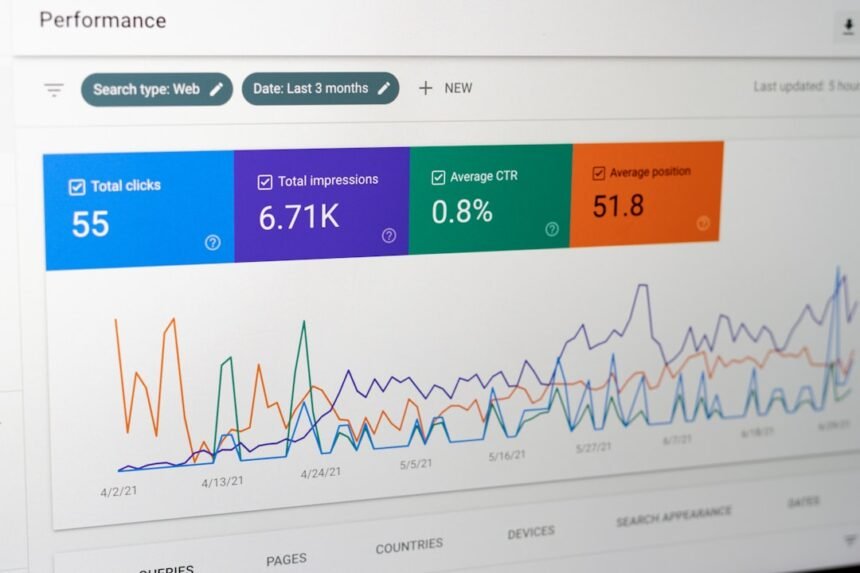
Google’s March 2026 Spam Update, launched on March 24, 2026, was completed in just 19 hours and 30 minutes, setting a new speed record for spam updates. It targeted low-quality or mass-produced content while explicitly avoiding new spam categories like link spam. This swift execution underscores Google’s commitment to content quality, impacting SEO strategies reliant on automated content generation.
- Google’s March 2026 update completed in record time, targeting low-quality content.
- SEO strategies should focus on high-quality, original content to avoid penalties.
- Implement human editorial oversight in AI-assisted content workflows.
Context/Background
Google’s March 2026 Spam Update rolled out on March 24, 2026, at 12:00 PM PT, concluding by March 25, 2026, at 07:30 AM PT. It was a global update affecting all languages, categorized as a “normal spam update” focused on penalizing low-quality and mass-produced content. This update did not introduce new categories, such as link spam or site reputation abuse, but it emphasized tighter enforcement on existing standards. The update’s unusually quick completion within 19 hours highlights Google’s efficiency in spam management. This speed may indicate shorter feedback loops for future updates, affecting sites reliant on scaled content strategies.
How to Adapt Your SEO Strategy to Google’s Updates
Step 1: Conduct a Thorough Content Audit
Start by identifying pages that could be affected by the update. Focus on those generated at scale, such as affiliate landing pages or content with minimal unique text. Use tools like Ahrefs to analyze content quality and performance. A SEO Kreativ blog post highlights the importance of auditing scaled pages to maintain compliance with Google’s standards.
Step 2: Enhance Content with Editorial Oversight
Incorporate human editorial oversight into your AI-assisted workflows. This ensures content quality, originality, and relevance. A study from Dhruv SEO Consultant shows that AI content with human editing performs better in search results, reducing the risk of penalties from updates like Google’s March 2026 Spam Update.
Step 3: Group Affected Pages by Template
If you notice ranking changes, group affected pages by their templates, production methods, and user intent. This approach helps identify systemic issues faster than analyzing individual URLs. According to insights from Level Agency, this strategy can streamline corrective actions and improve future content strategies.
Step 4: Consolidate or Remove Thin Content
Consider consolidating pages that lack unique value or expertise. Remove content that doesn’t provide new information or insights. Josiah Roche’s blog suggests focusing on content that offers substantial informational gain to enhance page quality and ranking potential.
Advanced Perspective
The rapid pace of the March 2026 Spam Update signals a shift in Google’s enforcement strategies, emphasizing speed and precision. SEO practitioners must adapt to these changes by prioritizing content that provides genuine value. Expert commentary suggests that Google favors pages with high “information gain,” punishing those that merely restate existing ranked content. This trend signifies a move towards rewarding originality and depth. Practitioners should invest in developing unique content that stands out in saturated niches. Moreover, with Google’s ability to quickly implement updates, maintaining high standards across all content types is crucial. Future updates are likely to continue reinforcing these quality-focused policies, making it imperative for SEO strategies to evolve accordingly.
Common Mistakes
A frequent mistake is neglecting human oversight in AI-generated content. Without editorial review, such content risks penalties during updates. Another error is assuming that updates only target link spam. The March 2026 update penalized low-quality content, not link strategies. Failing to audit scaled content is also a common oversight. Automated content lacking unique insights is at high risk. Practitioners should regularly audit and update content to align with quality standards and avoid these pitfalls.
Ensure your content strategy aligns with Google’s quality standards. For insights and collaboration opportunities, consider our Write For Us program. Let’s elevate your SEO game together.