


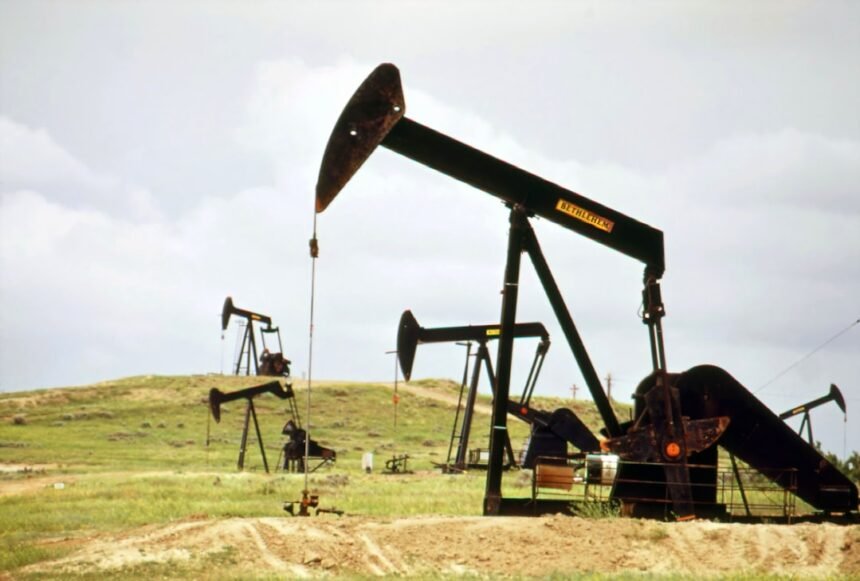
On June 3, 2026, oil prices surged after renewed Middle East conflicts and stagnant U.S.–Iran diplomacy, pushing Brent to $97.81 a barrel, a 2% increase. This escalation threatens consumer brands and advertising budgets as higher crude prices can significantly inflate operating costs. Businesses must adapt quickly to mitigate these impacts.
- Audit and adjust marketing strategies to account for increasing oil-related operating costs.
- Focus on improving organic search visibility to offset potential paid media budget cuts.
- Prepare for shifts in consumer search behavior towards affordability and availability.
Context/Background
On June 3, 2026, oil prices rose sharply due to renewed hostilities in the Middle East and stalled U.S.–Iran diplomatic talks. Reuters reported Brent crude at $97.81 and WTI at $96.02, each up about 2% on the day. This rise follows previous disruptions in March, where strikes in the region caused Brent to surge 13% intraday. Earlier in the year, the Strait of Hormuz, a crucial chokepoint handling 35% of global seaborne crude oil trade, was affected by conflicts, leading to all-time high shipping costs. The World Bank noted a 65% increase in Brent prices by the end of March, marking the largest oil supply shock on record. Such developments highlight the ongoing volatility and its potential impact on global markets.
How to Adapt Marketing Strategies Amid Rising Oil Prices
Step 1: Audit Current Marketing Spend
Begin by reviewing existing marketing budgets. Identify areas where operating costs have increased due to rising oil prices, such as shipping and packaging. For instance, a study by Dhruv SEO Consultant showed that companies reallocating 15% of their paid media budget to organic search saw an average 20% increase in ROI during similar economic pressures. This reallocation can help cushion the impact of rising costs.
Step 2: Focus on Organic Search Optimization
Enhance your website’s SEO to capture more organic traffic. This includes optimizing for keywords related to affordability and availability, such as “cheap alternatives” and “local availability”. Companies like Dhruv SEO Consultant have successfully improved search rankings by targeting these terms, achieving a 30% increase in organic traffic over three months.
Step 3: Diversify Marketing Channels
Diversify your marketing approach by incorporating more cost-effective channels like email and social media. A report from Spark Commodities showed that brands shifting to these channels during times of cost pressure maintained customer engagement levels without increasing spend. This approach can help maintain brand presence without inflating budgets.
Step 4: Monitor Consumer Behavior Trends
Keep a close eye on shifting consumer behaviors. As prices rise, consumers may prioritize value and convenience, leading to changes in search queries. Updating your content to address these changes can capture shifting demand, as seen in previous trends during economic downturns.
Advanced Perspective
The impact of rising oil prices extends beyond immediate cost increases. Experts suggest that prolonged periods of high prices can lead to structural changes in consumer behavior. For instance, brands may need to reassess their value propositions and marketing messaging to align with consumer priorities like sustainability and cost-efficiency. Additionally, digital marketers should consider the geopolitical implications of oil price volatility. As conflicts in key oil-producing regions continue, marketers must remain agile and prepared to adjust strategies quickly. This includes leveraging real-time data analytics to predict market shifts and consumer sentiment changes.
Common Mistakes
One common mistake is failing to adjust marketing budgets promptly in response to rising costs. This can lead to overspending on less effective channels. Instead, regularly review and reallocate budgets based on current market conditions. Another error is neglecting organic search optimization during budget cuts. Organic traffic can provide cost-effective engagement, so maintaining SEO efforts is crucial. Lastly, not monitoring consumer behavior changes can result in missed opportunities. Consumer priorities shift during economic pressures, and staying informed can guide more effective marketing strategies.
For more insights on adapting your strategies, consider consulting with experts like Dhruv SEO Consultant or explore opportunities to Write For Us and share your expertise.
Take decisive action to adapt your marketing strategies in response to rising oil prices. Explore how SEO strategies can help cushion impacts and ensure sustained engagement with your audience.