


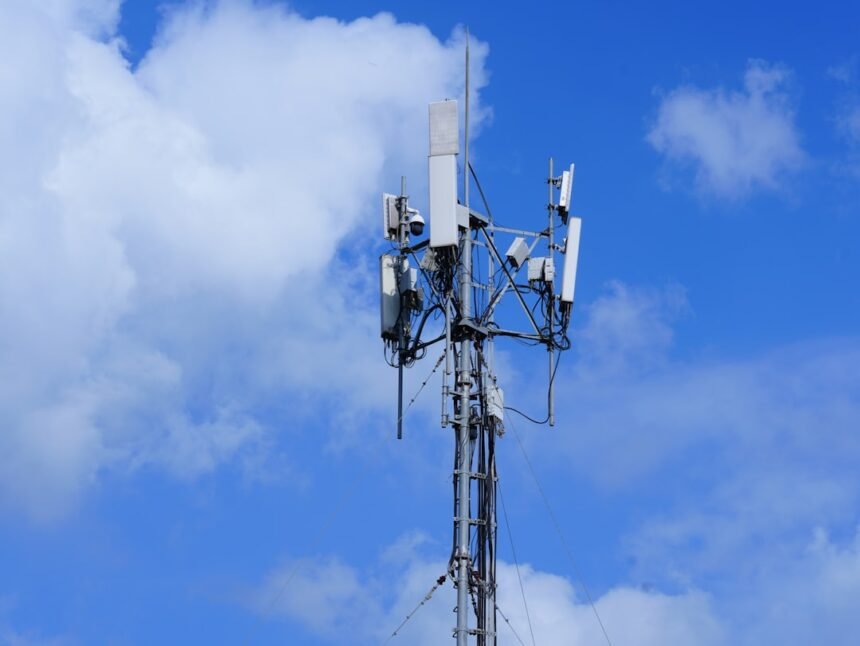
The FCC has expanded its restrictions to ban all telecom equipment imports from companies on its Covered List, effective June 27, 2026. This move could disrupt existing supply chains and affect network reliability for SEO and digital marketing practitioners, potentially impacting site speed and marketing campaign performance.
- Audit your critical vendors for exposure to FCC-covered components.
- Prepare for potential site speed and uptime issues due to network changes.
- Update vendor contracts and communication plans for compliance-driven changes.
Context/Background
On June 27, 2026, the FCC announced a significant expansion of its restrictions, barring the importation of telecom equipment containing components from companies on its Covered List. This decision affects companies like Huawei, ZTE, and Hikvision, which had been previously allowed to import legacy gear due to a loophole. The order, which takes effect 10 days after its publication in the Federal Register, aims to mitigate national security risks in U.S. communications networks. The quick implementation timeline is designed to prevent a last-minute influx of covered gear before the deadline. This regulatory development could force telecom vendors and network operators to expedite equipment replacements, reevaluate supply chains, and ensure compliance with the new rules.
How to Mitigate Network Risks from FCC’s New Ban
Step 1: Audit Your Vendor Dependencies
Identify if any of your critical vendors—such as hosting, CDN, or analytics providers—rely on infrastructure from Huawei, ZTE, or other companies on the FCC’s Covered List. For instance, if your CDN provider uses Huawei equipment, you may face potential disruptions. A comprehensive audit can help assess concentration risk and prepare contingency plans. Dhruv SEO Consultant can guide you through this process, ensuring your digital assets remain unaffected.
Step 2: Map Site Speed and Uptime Dependencies
Document where your website relies on specific data centers, carriers, or regional network providers. Have fallback options ready for DNS, CDN, and origin failover. This proactive mapping ensures you can maintain site performance and reduce downtime even if your primary network partners need to replace covered equipment. This is especially crucial during peak traffic periods.
Step 3: Update SLAs and Incident Communication Plans
Revise your vendor service level agreements (SLAs) and incident communication protocols to include clauses for maintenance, migration, or compliance-driven replacements. This ensures your team receives timely notifications about changes that could affect crawlability or Core Web Vitals. Regular updates can prevent unexpected performance dips during critical campaigns.
Step 4: Stress-Test Campaign Delivery
Conduct stress tests for tracking, landing-page availability, and redirect chains during peak traffic hours across different geographies. This helps distinguish between network instability and genuine campaign performance issues. Monitoring tools should be set up to alert you to irregularities in traffic patterns or page load metrics.
Advanced Perspective
The FCC’s ban not only affects telecom vendors but also presents potential challenges for digital marketers and SEO professionals. As noted by [write 3-5 word anchor text describing this page from reuters.com](https://www.reuters.com/business/media-telecom/us-fcc-vote-tighten-restrictions-chinese-equipment-2025-10-06/), this move could lead to significant changes in internet infrastructure. Network operators might face forced procurement changes, leading to temporary service interruptions. Moreover, [write 3-5 word anchor text describing this page from reuters.com](https://www.reuters.com/business/media-telecom/us-considers-new-crackdown-chinese-telecom-companies-fcc-says-2026-04-09/) suggests that compliance-driven hardware replacements could cause fluctuations in site performance metrics. SEO professionals must stay vigilant, continuously adapting strategies to maintain site reliability and campaign performance amid these infrastructural shifts.
Common Mistakes
A common mistake is neglecting to audit your vendor’s equipment sources. Many assume their providers are unaffected, which can lead to unexpected downtime. Instead, perform a thorough audit to identify potential risks. Another error is failing to update SLAs with clauses specific to these changes. Without them, you might not receive critical updates on network changes. Lastly, overlooking stress tests for campaign delivery can lead to misinterpreting network issues as campaign failures. Regular stress testing can help differentiate these issues.
For further in-depth insights and to contribute your own experiences, consider checking out our Write For Us section to share your expertise with fellow professionals.
Prepare your network and marketing operations for these changes by auditing vendors and updating critical infrastructure plans. Stay informed and proactive to ensure your digital strategies remain robust and effective.