


Google’s June 2026 Spam Update is officially targeting AI manipulation and zero-click strategies. Launched on June 24, this update aims to curb spam tactics that bypass user interaction and degrade search quality. Practitioners relying on AI Overviews and deceptive strategies must reassess their SEO approach immediately.
- Audit content for unique value to comply with Google’s new spam guidelines.
- Monitor site performance closely using Google Search Console during the rollout.
- Avoid large-scale SEO changes until the update fully rolls out.
Context and Background
The June 2026 Spam Update began its rollout on June 24 and is expected to complete within days. It targets spam tactics, especially those manipulating AI Overviews and employing zero-click strategies. This comes after Google’s May 15 policy addition classifying AI manipulation as spam, and the June 15 enforcement against back-button hijacking. Google’s focus is shifting toward content that is citation-worthy and compliant with traditional SEO signals, indicating a move away from tactics that undermine user engagement.
The significance of these updates cannot be overstated. They signal Google’s commitment to maintaining search quality by discouraging practices that exploit AI systems. Shubham Mahajan, an SEO professional, confirmed the rollout on LinkedIn, offering guidance for website owners to stay compliant with these changes. The update’s global scope means its effects are widespread, and SEO practitioners must adapt to these guidelines to avoid penalties.
How to Adapt Your Strategy for the June 2026 Spam Update
Step 1: Audit Content for Authenticity
Review your content for unique insights and value. Ask if your content could have been generated by anyone with basic search skills. Enhance pages by adding proprietary data or expert opinions. For example, Dhruv SEO Consultant emphasizes original insights to stand out in a crowded digital space. This approach not only aligns with Google’s guidelines but also builds trust with your audience.
Step 2: Monitor Site Performance
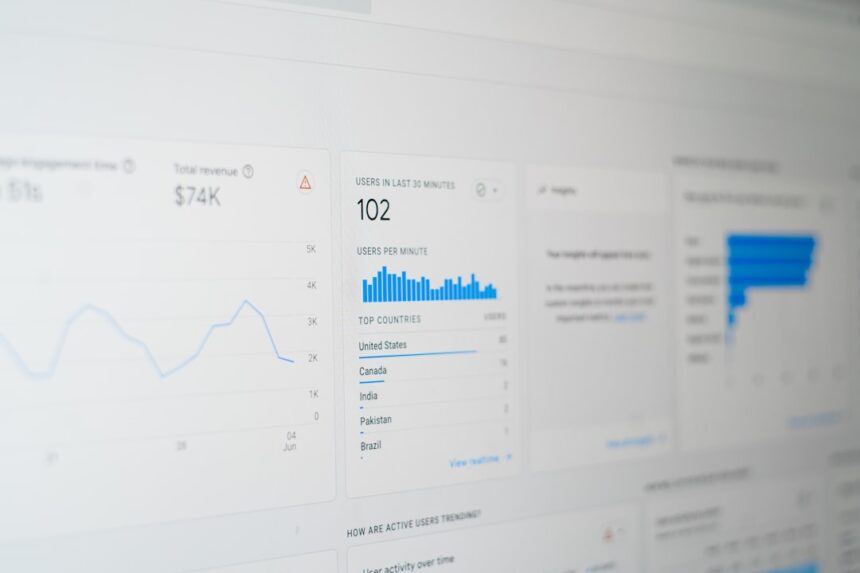
Use Google Search Console to track performance shifts. Compare 7-day to 28-day data to identify sudden rank changes, which may precede traffic drops. This proactive monitoring helps you react swiftly to any negative impacts from the update. Tools like DigitalApplied’s SEO Analysis offer insights into ranking volatility during major updates.
Step 3: Pause Major SEO Changes
Avoid implementing large-scale SEO changes such as metadata updates or structural alterations during the update rollout. This prevents additional volatility and allows you to assess the update’s impact clearly. Experts recommend maintaining a stable SEO strategy during such periods to better understand the direct effects of search algorithm changes.
Step 4: Eliminate Manipulative Tactics
Remove any content or navigation tactics that aim to manipulate AI systems. Ensure all content is human-authored and provides value worthy of citations. This aligns with Google’s enhanced spam policies. Shubham Mahajan’s guidance on LinkedIn highlights the importance of staying updated with Google’s policies to avoid penalties.
Advanced Perspective on the Update
While many SEO updates are met with trepidation, this one presents an opportunity for those committed to genuine content. Experts like those at Search Engine Roundtable advise that updates are less about penalizing and more about rewarding quality. However, the nuance lies in understanding that AI-generated content isn’t inherently bad—it’s the manipulative use that Google targets. Practitioners should focus on creating AI-assisted content that truly benefits the user. Additionally, some practitioners overlook the importance of user experience, which is increasingly a central factor in ranking.
By aligning with these principles, sites can not only avoid penalties but also improve their visibility and engagement. This update also marks a pivotal moment where traditional SEO practices are reaffirmed as foundational, pushing back against manipulative shortcuts. As Google’s algorithms grow more sophisticated, the value of authentic, user-focused content becomes even more pronounced.
Common Mistakes to Avoid
One major mistake is neglecting content audits. Failing to regularly assess your content’s value can leave you vulnerable to penalties. Conduct frequent audits to ensure compliance with the latest guidelines. Another error is making hasty SEO changes during update rollouts. Such changes can obscure the real impact of updates, complicating recovery efforts. Finally, using AI to flood search engines with content without adding genuine value can trigger demotions. Instead, focus on quality over quantity, ensuring each piece of content serves a clear purpose and audience need.
Practitioners should also avoid complacency in monitoring. Regularly checking performance metrics allows for prompt adjustments in strategy, reducing the risk of prolonged negative impacts. By understanding these common pitfalls, SEO professionals can better navigate the evolving landscape and maintain their site’s health and competitiveness.
Stay ahead in the SEO game by aligning your strategy with Google’s latest updates. Focus on quality content and user experience to maintain and improve your site’s ranking. Interested in sharing your insights? Write For Us and join the conversation.