

Google’s new spam policy, effective June 15, 2026, targets back button hijacking, a practice now classified under “malicious practices.” This move can lead to manual spam actions or ranking demotions for non-compliant sites. As SEO practitioners know, the stakes are high for sites that rely on organic traffic.
- Audit your site for History API manipulations before June 15, 2026.
- Review third-party scripts for popstate event misuse.
- Prepare for Google Search Console appeals with remediation evidence.
Context/Background
On April 13, 2026, Google expanded its spam policies to explicitly include back button hijacking as a violation of its guidelines. This tactic, which manipulates the History API to disrupt normal back-button navigation, is used in techniques like exit-intent overlays and popunder ad scripts. The new policy, detailed on the official Google Search Central blog, gives site owners until June 15, 2026, to comply before enforcement begins. This change is crucial because it affects user experience directly and can result in penalties like manual spam actions or automated ranking demotions.
How to Audit and Fix Back Button Hijacking
Step 1: Audit Browser History Manipulation
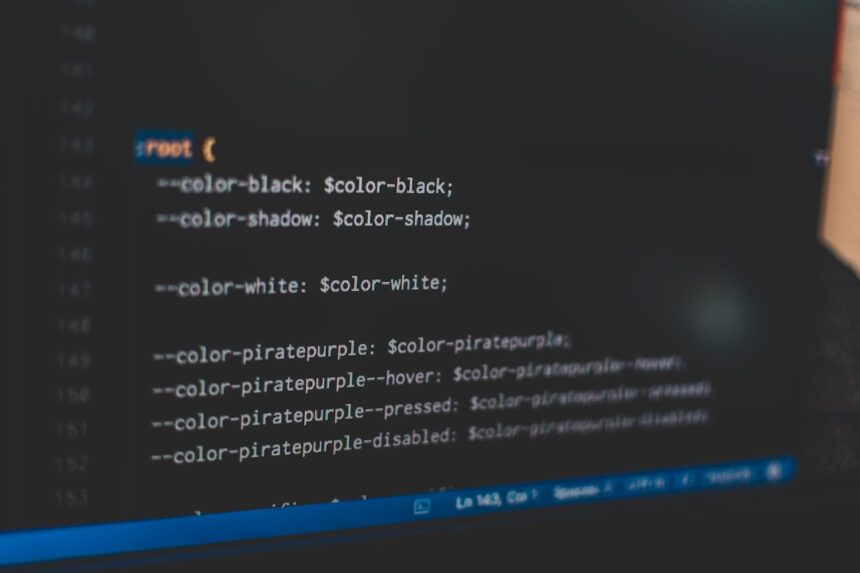
Start by inspecting your site’s code for any abuse of the History API. Use browser developer tools to check if pushState or replaceState methods are used to insert deceptive pages. Test the back-button flow on all pages, especially those with modals or overlays. For example, Dhruv SEO Consultant recommends using browser tools to identify manipulation and ensure smooth back navigation.
Step 2: Scan Third-Party Scripts
Review all third-party scripts, including those from ad networks and widgets, for misuse of the popstate event or inclusion of popunder scripts. Utilize tools like Google Tag Manager to manage and inspect these scripts. Ensure you contact providers for any necessary updates. For instance, sites using aggressive monetization tools should immediately verify compliance to avoid penalties.
Step 3: Test Across Browsers and Devices
Simulate back navigation in multiple browsers such as Chrome, Firefox, and Safari, including mobile versions. Disable any suspicious scripts and retest until the back button returns users directly to the previous page. This step ensures that your site complies with the new policy across all platforms, avoiding potential issues with Google’s enforcement mechanisms.
Step 4: Implement Fixes Before June 15
Remove or disable any offending code that alters browser history. Implement alternatives that respect browser history, such as non-intrusive exit-intent solutions. This proactive approach can prevent penalties and maintain your site’s ranking. Monitoring the Google Search Console for spam notices post-audit is essential, as it allows you to address issues promptly.
Advanced Perspective
Understanding the nuances of Google’s new policy is crucial for SEO professionals. While the focus is on back button hijacking, the broader implication is an intensified emphasis on user experience. Techniques previously used to increase engagement, albeit manipulatively, now jeopardize search rankings. This shift mandates a user-first approach, where improving the actual site experience becomes a priority over intrusive monetization tactics. Experts from ALM Corp emphasize the responsibility placed on site owners for third-party actions, highlighting the need for comprehensive script audits. For practitioners, this means prioritizing transparency and usability, aligning with Google’s push for a frustration-free web experience.
Common Mistakes
One common mistake is ignoring third-party scripts, assuming they are compliant by default. This oversight can lead to penalties if these scripts manipulate browser history. Ensure you review all external code thoroughly. Another error is relying solely on desktop testing. Back button hijacking can behave differently on mobile devices, so comprehensive testing across platforms is vital. Lastly, delaying audits until after the enforcement date is risky. Early identification of issues allows time for corrections before penalties impact your site’s search visibility.
Dhruv SEO Consultant can offer expert advice on these audits, ensuring your site stays compliant.Write For Us if you have insights or experiences to share about adapting to Google’s evolving policies.Ensure your site remains compliant and maintains its search visibility by auditing and updating your navigation practices before Google’s enforcement begins. Start today.