


Google is testing a sign-in requirement for searchers using Chrome Incognito, prompting them to “Sign in to verify you’re a human and see more results” after the first few pages of search results. This unannounced test, reported on June 20, 2026, by Search Engine Roundtable, raises questions about the future accessibility of search results for anonymous users.
- Google’s sign-in verification test may limit visibility into signed-out user behavior.
- SEO practitioners should adjust monitoring for lower-page organic visibility.
- Verification prompts could skew traffic data and complicate analytics.
Context/Background
On June 20, 2026, Search Engine Roundtable highlighted a new testing phase by Google in which some users in Chrome Incognito are asked to sign in to continue browsing beyond the initial search results pages. This has implications for how search behavior is tracked and understood. The introduction of this prompt could indicate Google’s drive to tighten control over how users interact with its search results, potentially for reasons related to bot management and user verification. Historically, Google has utilized reCAPTCHA technology to distinguish human users from bots, as outlined in their no-CAPTCHA introduction. Now, the move towards requiring sign-ins for deeper search explorations marks a possible shift in how search data is accessed and measured, particularly for those operating in incognito modes.
How to Adapt SEO Strategies for Google’s Test
Step 1: Segment Logged-in and Logged-out Data
To address this change, begin by segmenting signed-in and signed-out user behavior in your analytics. This requires revisiting your dashboards and ensuring that you can filter and analyze traffic differences during this test period. For instance, Dhruv SEO Consultant recommends creating distinct cohorts for incognito and non-incognito traffic. This segmentation will help you understand where and how this prompt affects user behavior and traffic patterns.
Step 2: Monitor Lower-page Visibility
Next, expand your tracking to include lower-page search results. If your current focus is solely on top-ranking positions, it’s time to broaden your scope. This helps identify any disruptions in user journeys beyond the first results page, where the sign-in prompt is activated. Monitoring these changes can reveal shifts in user engagement with lower-ranking pages, which are crucial for long-tail SEO strategies.
Step 3: Audit Rank-tracking Tools
Audit your rank-tracking methodologies to ensure they account for this new variable. Many tools rely on anonymous browsing or rotating IPs which might trigger the verification gate, skewing your data. Make sure your systems are set up to handle such scenarios or adjust them to minimize false triggers and maintain data integrity.
Step 4: Investigate Analytics Discrepancies
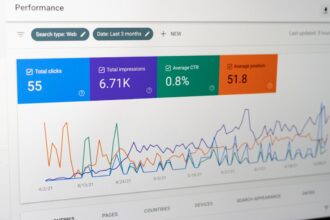
Finally, keep a close eye on any gaps between Search Console and analytics data. If you notice discrepancies such as a decline in clicks without a similar drop in impressions, it could indicate that the sign-in prompt affects user behavior rather than rankings. By identifying these patterns early, you can adjust your SEO tactics accordingly and maintain accurate reporting.
Advanced Perspective
Google’s move towards more stringent verification could reshape the SEO landscape by creating a divide between signed-in and anonymous user data. This shift might lead to increased reliance on logged-in data, potentially skewing how SEO professionals interpret search intent and user behavior. Google’s broader anti-abuse policies aim to protect the ecosystem from bots, yet they also risk alienating users who prefer privacy. This could result in a landscape where SEO strategies become increasingly tailored to a narrower segment of users. As digital marketers adjust, understanding the nuances of user verification and its impact on search visibility becomes vital. Additionally, the potential for increased traffic volatility and measurement bias means that SEO practitioners must stay vigilant and adaptable.
Common Mistakes
One common mistake is ignoring the impact on lower-ranking pages. With the sign-in prompt appearing after a few result pages, failing to monitor these could lead to missed insights about user behavior. Another error is not segmenting signed-in versus signed-out traffic, which can obscure the effects of Google’s test on your site. Lastly, relying solely on automated rank trackers without accounting for verification prompts can result in skewed data. Instead, diversify your monitoring tools and methodologies to capture a fuller picture of your site’s performance.
By understanding these potential pitfalls, SEO professionals can better navigate the evolving landscape and maintain robust, accurate strategies in light of Google’s latest testing phase.
Stay ahead in the SEO field by adapting your strategies to these changes. Monitor your analytics closely and adjust your approach to maintain competitive visibility in search results.